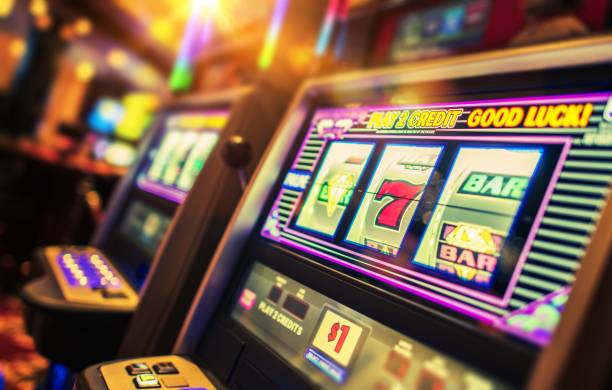
Understanding the psychological effects of gambling on decision-making and behavior
The Nature of Gambling and Its Appeal
Gambling has been a popular form of entertainment for centuries, captivating individuals across various cultures. Its allure often lies in the thrill of chance and the possibility of winning large sums of money. This excitement can lead to heightened emotional states, which significantly influence decision-making processes. As people engage in gambling activities, they may find themselves driven by the excitement of risk, particularly when they explore online poker for money, which can cloud their judgment and lead to impulsive choices.

The unpredictable outcomes associated with gambling create a compelling environment that stimulates the brain’s reward centers. This reaction can lead to a cycle of behavior where individuals chase losses or seek to replicate past wins. Understanding this appeal is essential in comprehending why individuals may continue to gamble despite negative consequences.
The Psychological Triggers and Their Impact
Several psychological triggers can enhance the experience of gambling, contributing to significant shifts in behavior. For instance, the concept of “near misses”—where players almost win—can create a sense of hope and motivate continued play. This phenomenon tricks the brain into believing that a win is imminent, often leading to irrational decision-making.
Moreover, the social aspects of gambling can amplify its psychological effects. Many individuals engage in gambling in groups, where social dynamics can influence betting behavior. Peer pressure and the desire for social acceptance can lead to increased risk-taking, further complicating the decision-making process. Understanding these triggers is crucial for recognizing how they can lead to problematic gambling behavior.
The Role of Cognitive Biases in Gambling
Cognitive biases play a significant role in shaping how individuals perceive their gambling experiences. Common biases such as the illusion of control, where gamblers believe they can influence the outcome, can lead to overconfidence in their decision-making. This skewed perception can cause individuals to make irrational bets or ignore warning signs of gambling addiction.
Additionally, confirmation bias, where individuals seek information that supports their beliefs while disregarding contradictory evidence, can further entrench poor decision-making. Gamblers may focus on their wins and downplay their losses, creating a distorted view of their gambling success. Understanding these cognitive biases is essential for recognizing how they contribute to negative behaviors associated with gambling.
The Consequences of Gambling on Behavior
The psychological effects of gambling can have profound consequences on behavior, often leading to addiction. As individuals become more entrenched in gambling, they may neglect responsibilities, relationships, and even their mental health. The compulsion to gamble can overshadow other essential aspects of life, resulting in a downward spiral that is hard to escape.
Moreover, individuals may experience heightened anxiety and stress levels as they grapple with the consequences of their gambling decisions. This emotional turmoil can lead to further risky behaviors and reinforce the cycle of gambling. Understanding these consequences is vital for developing effective interventions to help those struggling with gambling addiction.

Insights from Our Website
Our website serves as a comprehensive resource for understanding the complexities of gambling and its effects on behavior. We aim to provide informative content that sheds light on the psychological aspects of gambling, helping individuals recognize the signs of problematic behavior. Through awareness and education, we hope to empower individuals to make informed decisions about their gambling habits.
By exploring various facets of gambling psychology, our platform seeks to foster a deeper understanding of how gambling influences decision-making and behavior. We encourage readers to engage with our content and utilize our resources to promote healthier gambling practices and support those affected by gambling addiction.