
The Thrill of the Game
Winning at casinos is often a matter of chance, but the psychology behind it can enhance the experience significantly. Gamblers are drawn to the thrill of potentially hitting a jackpot, and this excitement fuels their decisions. The adrenaline rush felt when playing games like poker or slots creates a euphoric state that can lead to increased risk-taking behavior. This psychological high often clouds judgment, prompting players to make irrational bets in hopes of replicating their lucky streaks. In the world of gaming, it’s essential to consider options such as a trusted online casino canada to make informed choices.

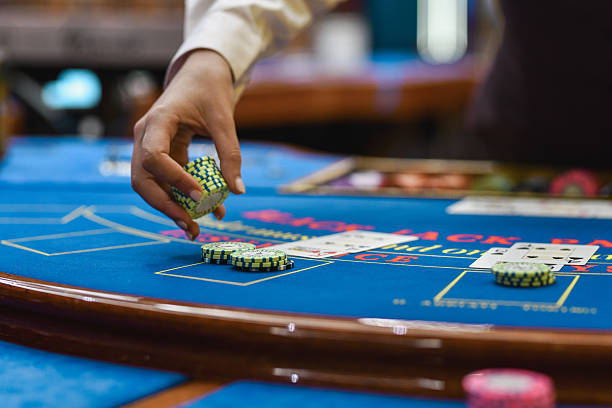
Moreover, the ambiance of a casino is meticulously designed to stimulate this excitement. Bright lights, enticing sounds, and celebratory atmospheres serve to heighten emotions, making losses feel less impactful and wins more exhilarating. Understanding this psychological manipulation is crucial for players who wish to maintain control over their gambling habits.
The Role of Cognitive Biases
Cognitive biases play a significant role in gambling behavior and can lead to misconceptions about winning. The illusion of control is one such bias where players believe they can influence the outcome of games that are fundamentally based on luck. This false sense of control can lead to repeated gambling in pursuit of wins that are often more about chance than skill.
The gambler’s fallacy is another common psychological pitfall. Many players fall into the trap of believing that previous outcomes will influence future results, such as thinking that a losing streak must eventually lead to a win. These biases create a self-sustaining cycle where players continue to engage in gambling, convinced that success is just around the corner, often leading them to losses that could have been avoided.
Emotional Factors in Gambling
Emotions significantly impact decision-making in the casino environment. Players often gamble to escape negative feelings or to enhance positive ones. For instance, individuals may turn to gambling during times of stress or after experiencing a life event that alters their emotional state. This escapism can drive players to a casino, where the hope of winning becomes a temporary relief from their emotions.
Additionally, the social aspect of gambling cannot be overlooked. Many individuals enjoy the camaraderie and interaction found in casinos, which can lead to a shared experience of highs and lows. These emotional ties can amplify the thrill of the game, but they also risk creating a deeper psychological dependency on gambling as a means of socialization and emotional escape.
Strategies for Responsible Gambling
While the psychology of winning can enhance the experience, it is crucial for players to adopt responsible gambling strategies. Setting clear limits on time and money spent at casinos can help mitigate the risks associated with emotional and cognitive biases. Understanding personal triggers and remaining aware of one’s emotional state can also promote healthier gambling habits.
Incorporating strategies such as taking breaks during play, reflecting on wins and losses, and avoiding gambling when feeling emotionally vulnerable can help players maintain control. Awareness of the underlying psychological factors at play can empower individuals to enjoy gambling as a form of entertainment without falling into the traps of addiction.
DevMcGill: Insights and Resources
At DevMcGill, we are committed to exploring diverse topics, including the psychology behind activities like gambling. Our platform is designed to provide valuable insights into various behaviors and practices, helping individuals understand different aspects of personal and communal experiences. Whether you are seeking professional advice or personal growth strategies, we aim to equip you with the tools to enhance your understanding of psychology in various contexts.
By fostering a vibrant community through engaging articles and tutorials, DevMcGill encourages users to stay informed and empowered. Whether you’re looking to explore the world of development and technology or delve into the psychological aspects of leisure activities such as gambling, we are here to support your journey.